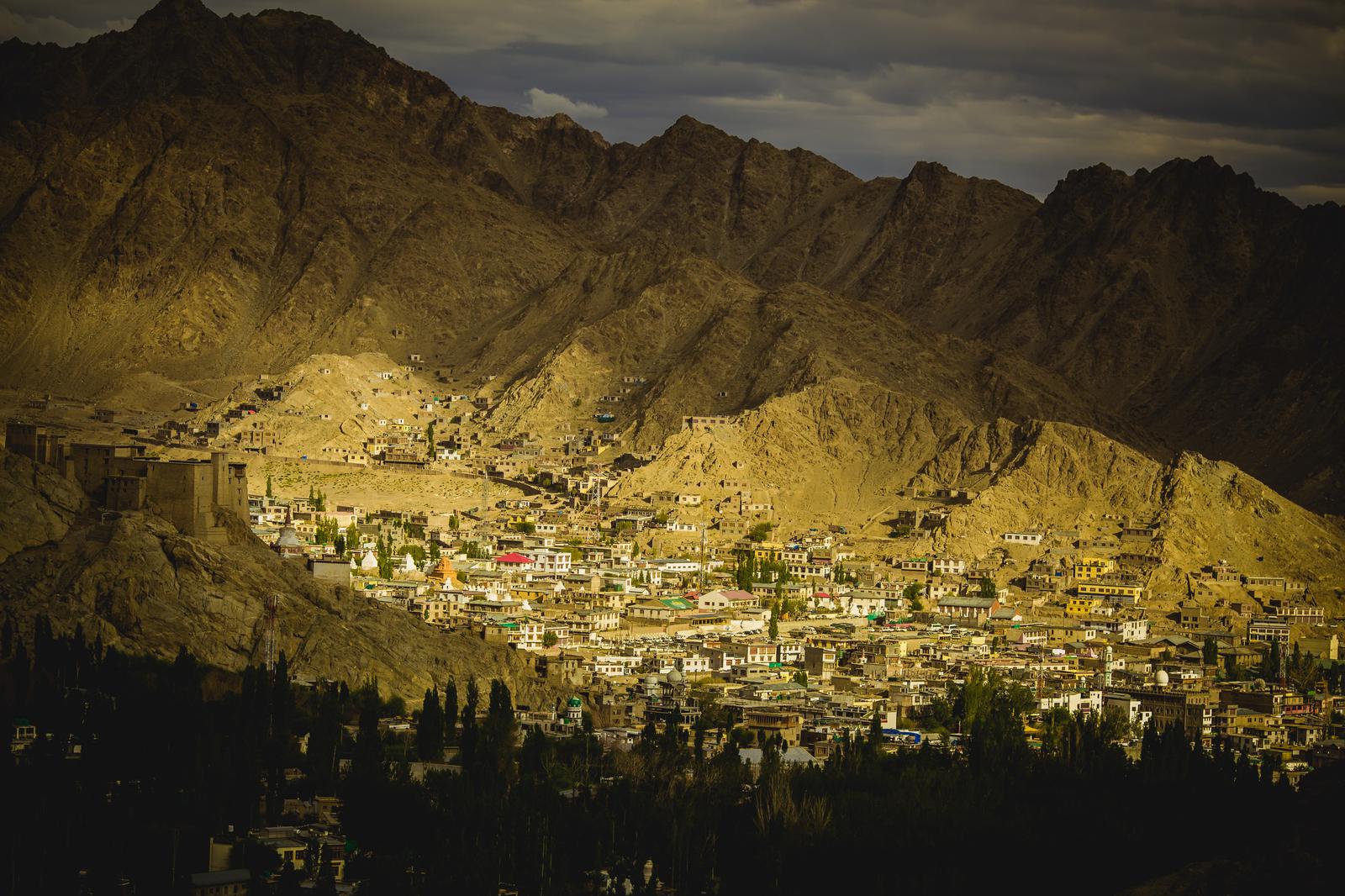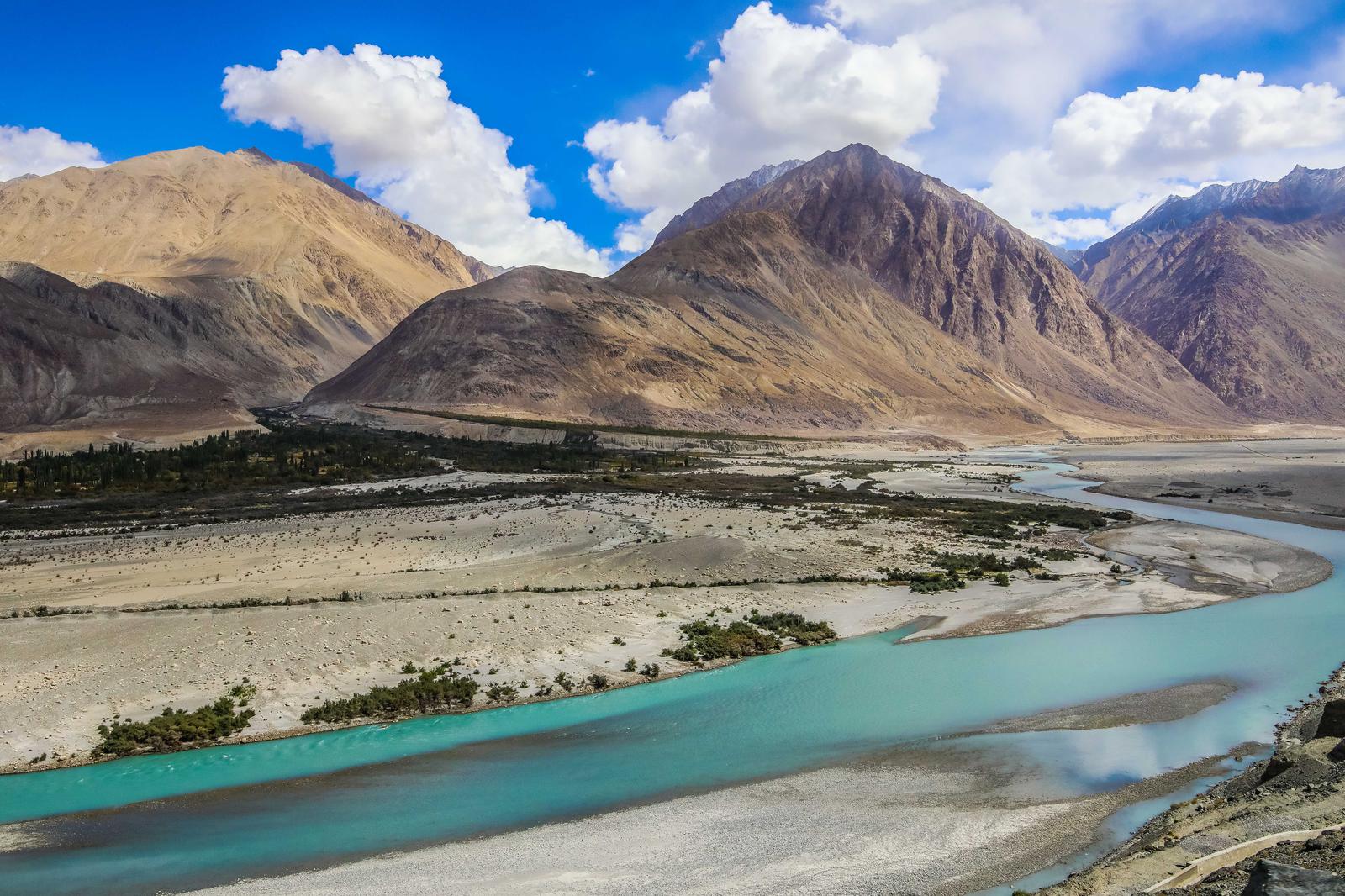

Begin a thrilling adventure to the mesmerising Land of the High Mountain Passes, Ladakh, nestled in the enchanting state of Jammu & Kashmir. Envision a desert landscape, cradled by the majestic Karakoram and Great Himalayan ranges, rising over 11,000 feet above sea level.
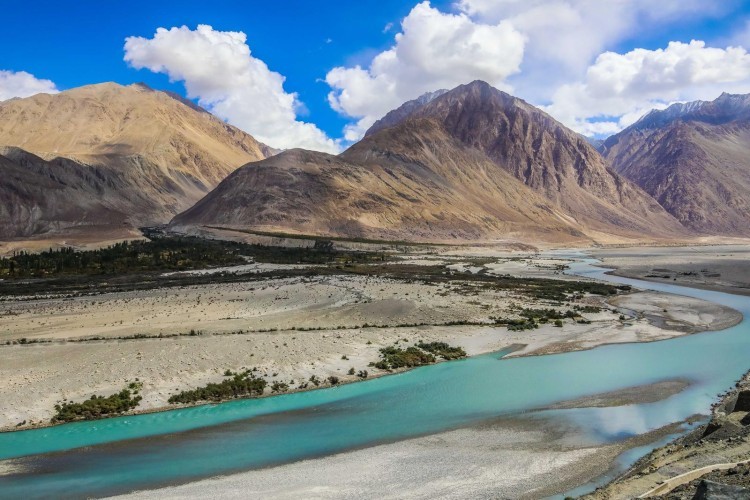
As you venture into Ladakh, let the words of Sonia Jabbar and Milan Moudgill paint a vivid picture for you: 'This could be Tibet.' Immerse yourself in the vastness of Ladakh, where arid landscapes meet snow-capped peaks under a sky of pure blue, offering a sanctuary of serenity. The Indus River gracefully winds through the valley, transforming from sullen grey to vibrant turquoise, weaving through golden banks adorned with poplars and willows.
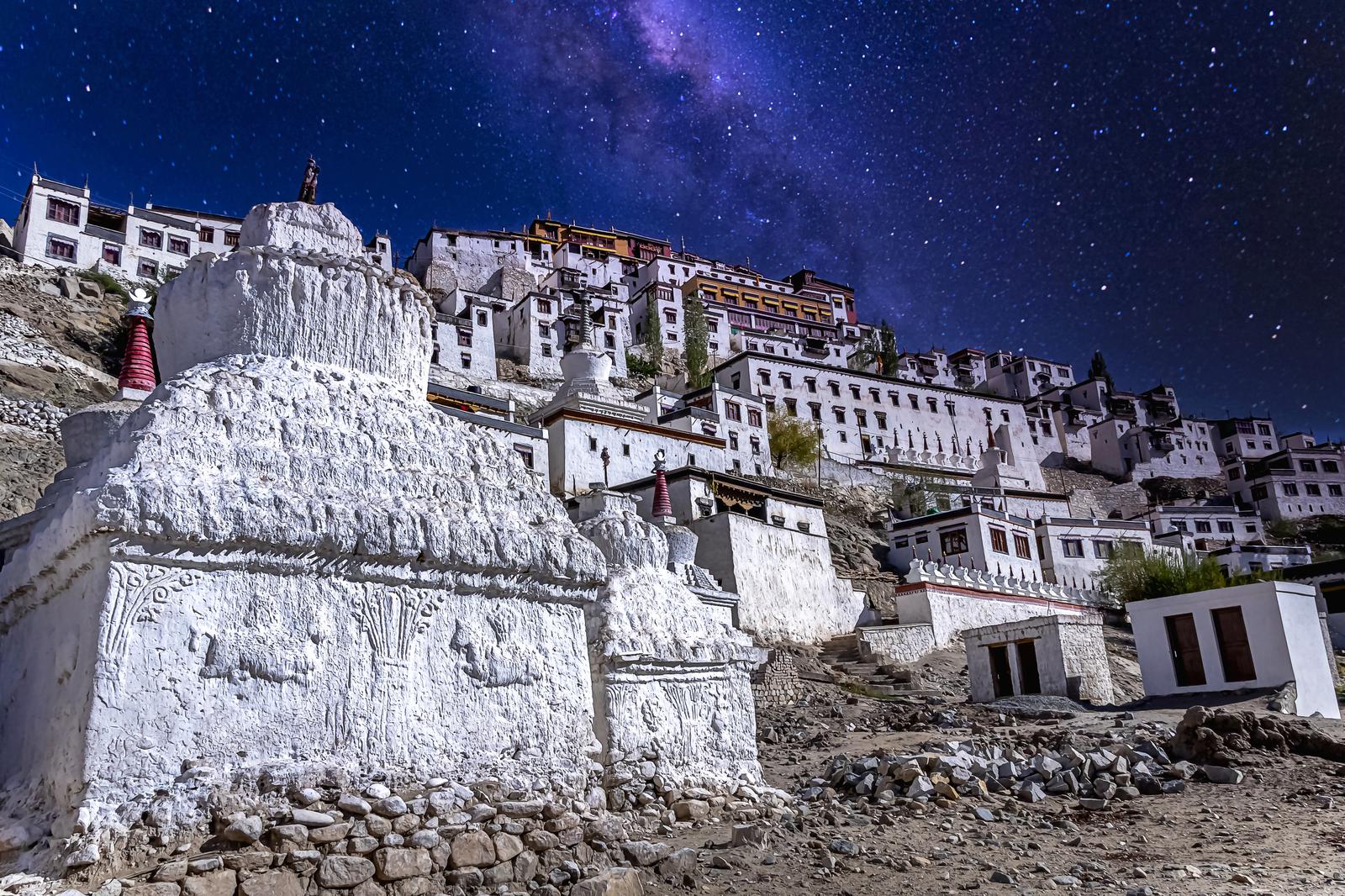
Immerse yourself in the cultural richness of Ladakh, a peaceful facsimile of Tibet, where ancient monasteries perch on rocky cliffs, the miniature Potala overlooks Leh, and the wind carries whispers of ancient homages through fluttering prayer flags. Ladakh holds within it the echoes of a rich history marked by conquests and cultural amalgamations, a testament to the resilience and diversity of its people.
Join us on a transformative journey of discovery and adventure, where every moment in Ladakh is a signature of nature's grandeur and the resilience of its people. Experience the allure of Ladakh, a land where history, culture, and natural beauty converge to create unforgettable memories and inspire personal growth.
Chronicles of Resilience and Cultural Fusion
Amidst the towering peaks of the Himalayas, Ladakh, a place of ancient mysteries and cultural crossroads, emerged centuries ago. The story of Ladakh is deeply rooted in history, with evidence of human occupation dating back to 9000 B.C. It saw the rise and fall of empires, the emergence of new technologies and customs, and the blending of civilisations across millennia.
A branch of the Tibetan royal house named Nyima-Gon established the first Ladakh monarchy in the ninth century, thereby igniting a period of Tibetan dominance and cultural fusion. As empires fell and new forces rose in the 19th century, Ladakh was placed under Dogra's authority while retaining its distinct character and independence.
The echoes of history resonate in Ladakh's rugged landscapes, where legends of kings and conquerors intertwine with tales of resilience and cultural resilience. European explorers and adventurers added a new chapter to Ladakh's saga in the 19th century, bringing with them curiosity and fascination for this mystical land.
Through wars and transitions, Ladakh endured, evolving into a region with a solid tapestry of traditions and heritage. Today, as we explore Ladakh, we uncover not just a land of breathtaking beauty but a living chronicle of the past, where every stone whispers tales of resilience, diversity, and cultural harmony.
A Journey through Enchanting Landscapes and Cultural Marvels
Exploring Leh is a delightful experience, especially after returning from a secluded area. Make Leh your hub for short trips to nearby valleys, and don't forget essentials like a hat, sunglasses, sunscreen, and a bottle of water.
Things to do and see
General Zorawar's Fort
Walking down the Old Fort Road from the market, you'll encounter the Zorawar Fort, a beautifully crafted mud fort surrounded by a shallow moat. Although much of it remains occupied by the Indian Army's mules and pack ponies, exploring its stables and rooms gives a glimpse into its historical significance.
Leh Palace and Tsemo Gompa
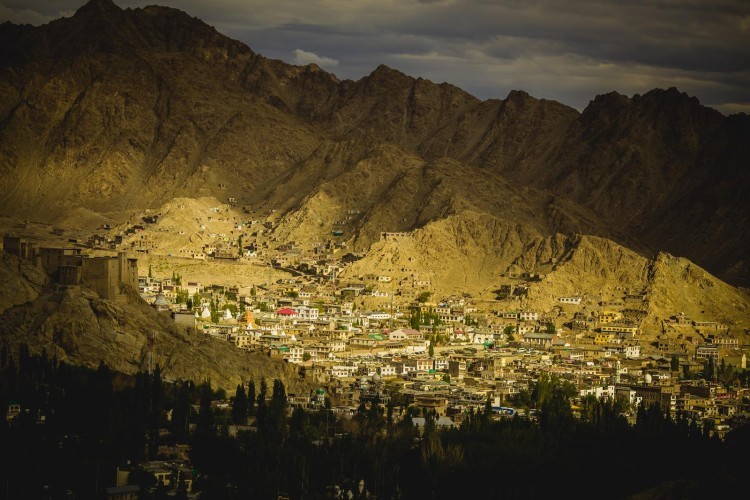
In the early 16th century, Ladakh was divided between two brothers, with capitals at Leh and Shey. Bhagan, the king of Basgo, united Ladakh under the Namgyal dynasty, marked by the construction of Leh Palace and Tsemo Gompa. Tashi Namgyal's legacy is vividly portrayed in the Temple of the Guardian Deities (Tsemo Gompa) atop Namgyal Tsemo Hill, while Leh Palace stands as an architectural marvel, symbolizing Ladakh's cultural heritage and strategic importance.
Shanti Stupa
A recent addition to Leh, the pristine white Shanti Stupa offers a serene ambience and breathtaking views of the Zanskar Range. A visit here promises tranquillity and panoramic vistas that capture the essence of Leh's natural beauty.
Monastery Circuit:
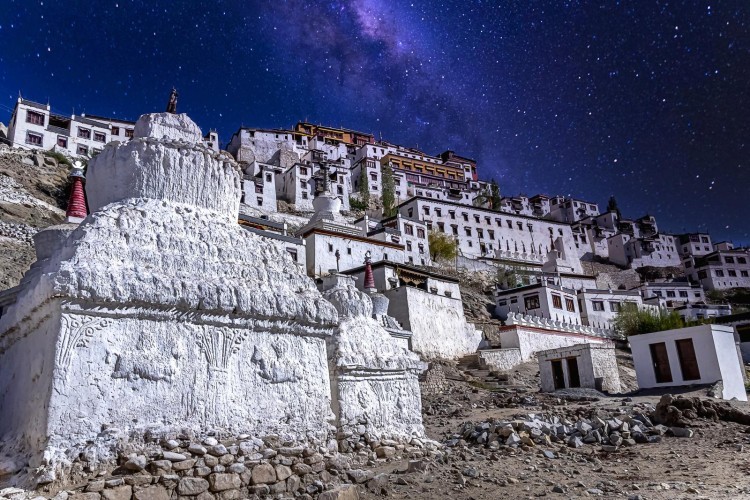
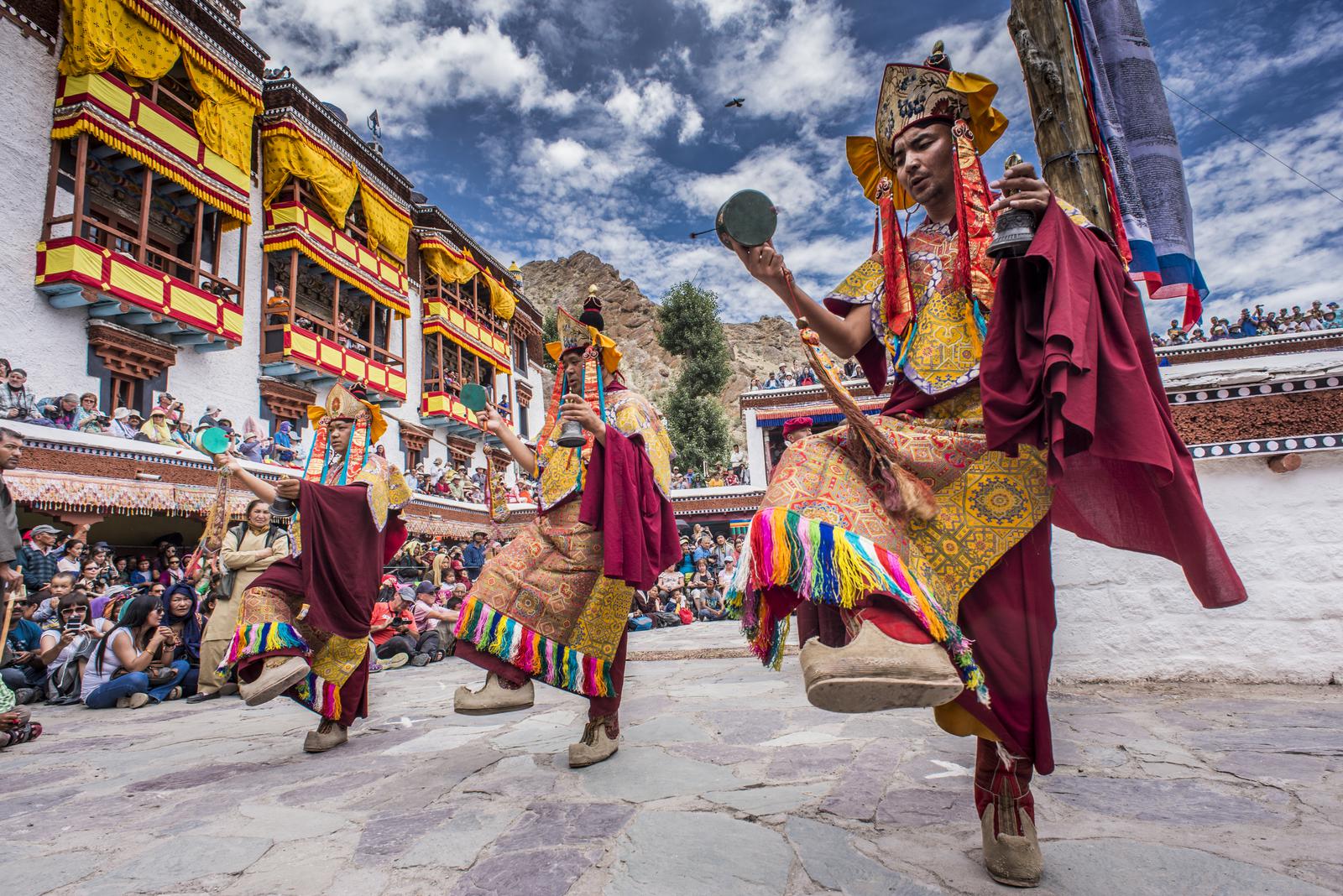
Southeast of Leh along the Indus River lie several monasteries like Shey, Thiksey, and Hemis, each steeped in history and spirituality. While Shey preserves ancient paintings and a colossal Buddha statue, Thiksey Monastery's architecture echoes Tibetan influences and offers panoramic valley views. Hemis, the largest monastery in Ladakh, boasts a rich collection of artifacts, including the world's largest thangka.
Alchi
Situated on the southern bank of the Indus River, Alchi's ancient temples and frescoes provide a captivating glimpse into Ladakh's artistic heritage. The murals and iconography here, distinct from Tibetan influence, offer a unique perspective on Buddhist art and cultural evolution.
Rafting on the Indus
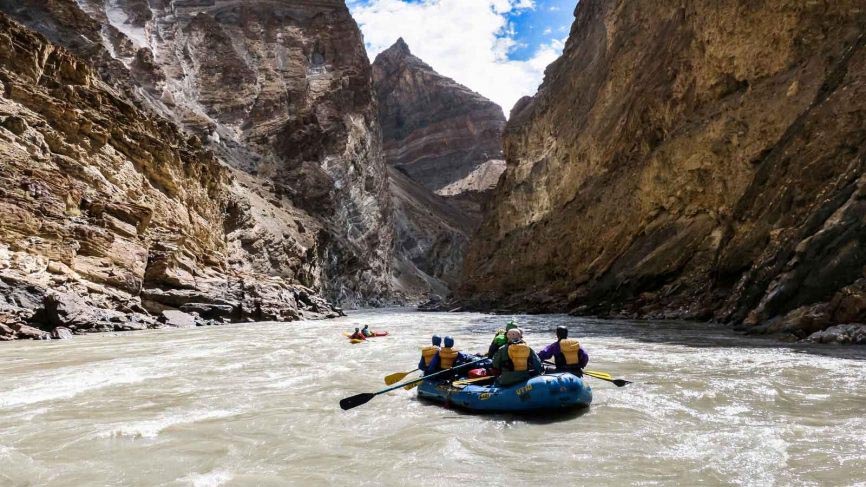
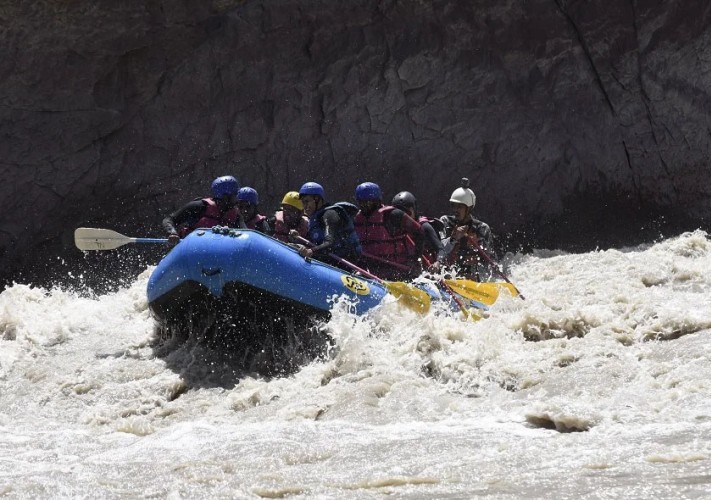
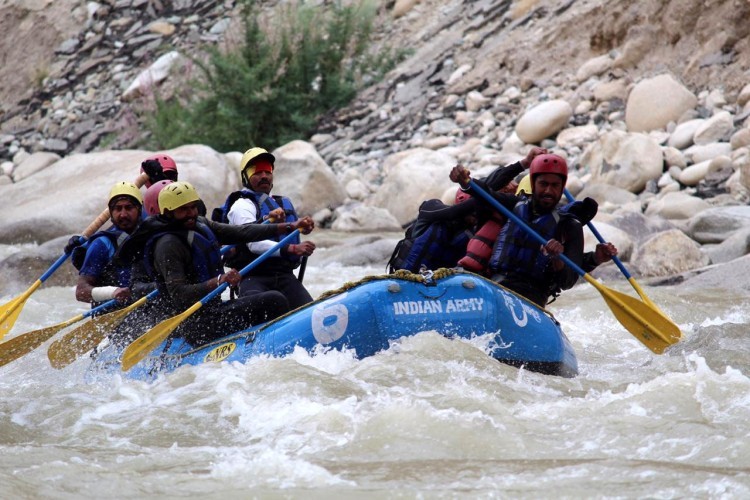
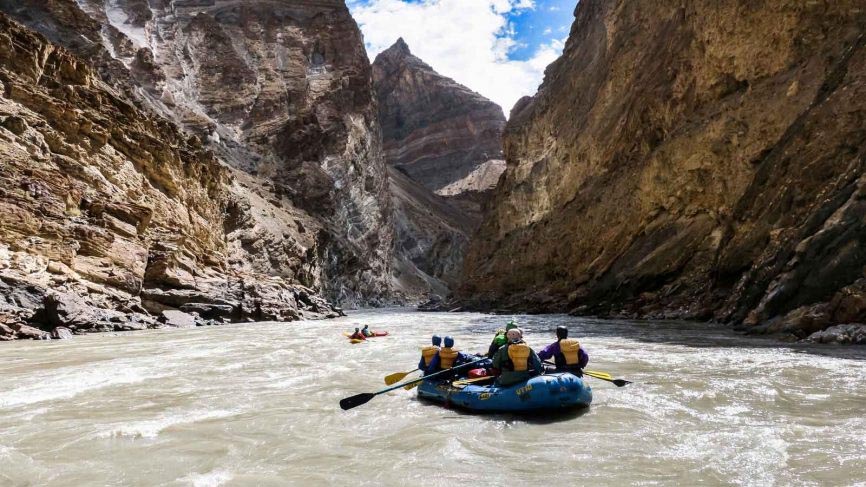
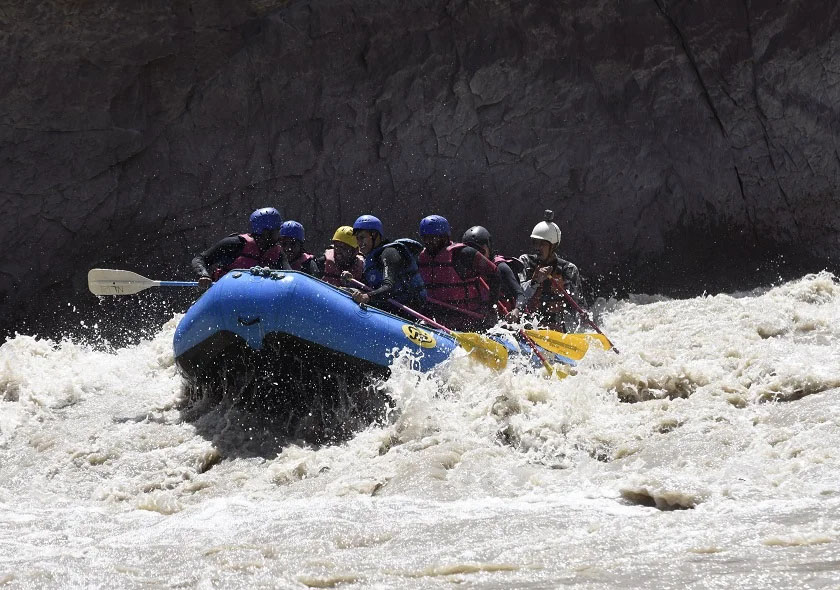
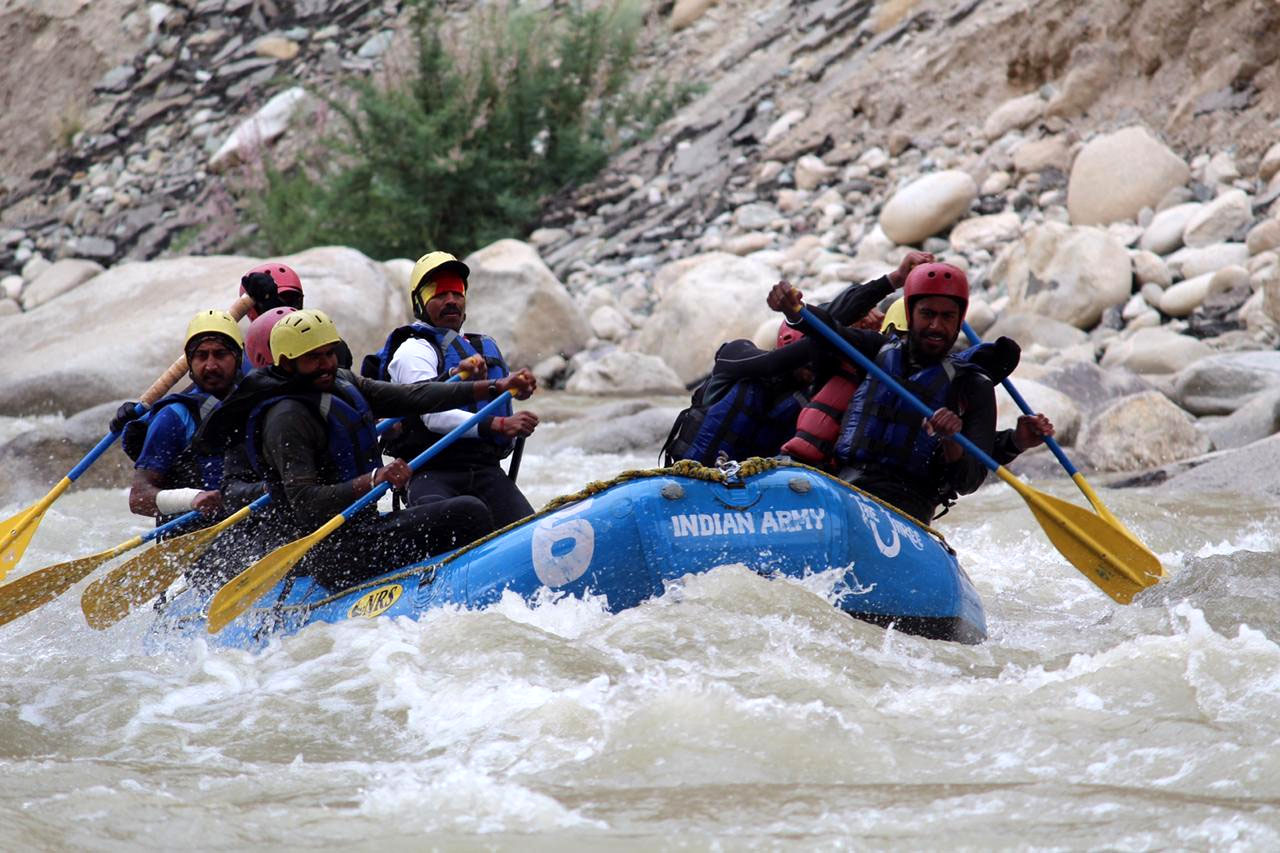
From June to August, the Indus River offers exhilarating rafting experiences, ranging from serene floats to adventurous runs through gorges. A rafting expedition not only offers adrenaline-pumping thrills but also showcases Ladakh's rugged natural beauty.
Nubra Valley
Accessible via the world-famous Khardung La Pass, Nubra Valley enchants its desert landscapes, oases, and monasteries like Diskit and Hundar. The valley's Bactrian camels and panoramic vistas create a surreal ambience, inviting travellers to explore its unique terrain and cultural heritage.
Pangong-Tso
Nestled amidst towering peaks, Pangong-Tso's azure waters leave a lasting impression. A two-day excursion unveils not just the lake's beauty but also nearby monasteries like Chemdey and Tak-Tok, adding cultural depth to the scenic journey.
Tso-Moriri
A hidden gem in eastern Ladakh, Tso-Moriri's pristine lake and surrounding wildlife offer a glimpse into untouched natural splendor. With a permit and a guided safari, visitors can witness migratory birds, blue sheep, and marmots in this remote sanctuary.
Suru Valley
En route to Zanskar, the Suru Valley captivates with its rugged beauty, quaint villages, and panoramic vistas. The journey through Lamayuru and over mountain passes like Fatu La unveils Ladakh's raw and enchanting landscapes, making it a must-visit for nature enthusiasts.
Zanskar Valley
Accessible via a scenic drive from Padum, Zanskar Valley mesmerizes with its ancient monasteries, glacial landscapes, and unique cultural heritage. The journey through picturesque villages and high-altitude passes offers a glimpse into a world where nature and tradition converge in captivating harmony.
Leh and its surrounding valleys are not just destinations; they are gateways to a world of adventure, spirituality, and natural wonders that leave an indelible mark on every traveler's heart.
Ladakh: A Journey of Cultural Wonders and Transformative Discoveries
Embark on a transformative journey to Ladakh, where the essence of its people, food, culture, and uniqueness converge to create an unforgettable experience. Encounter the warmth and hospitality of the Ladakhi people, whose rich cultural heritage shines through their every interaction, welcoming you into a world of genuine connections and meaningful exchanges. Delight your taste buds with the delicious flavours of Ladakhi cuisine, a fusion of traditional recipes and local ingredients that offer a tantalising glimpse into the region's culinary heritage.
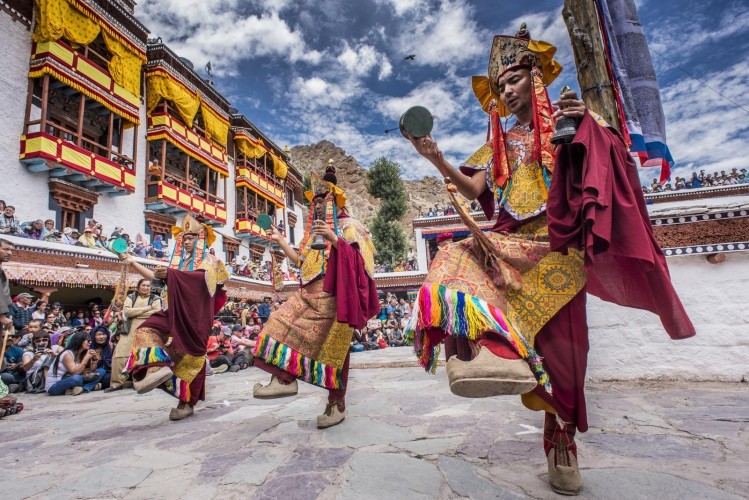
Immerse yourself in Ladakh's vibrant culture, where ancient traditions coexist with modern influences, creating a beautiful blend of customs, rituals, and festivities that captivate the soul. From the majestic landscapes to the intricate artistry of handicrafts, Ladakh's uniqueness unfolds at every turn, inviting you to witness its beauty firsthand. A journey to Ladakh is more than just a holiday—it's a life-changing experience that leaves an indelible mark on your heart and soul. Discover the transformative power of Ladakh and make it a destination to visit at least once in a lifetime, where every moment is a testament to the beauty of exploration and the richness of human connection.