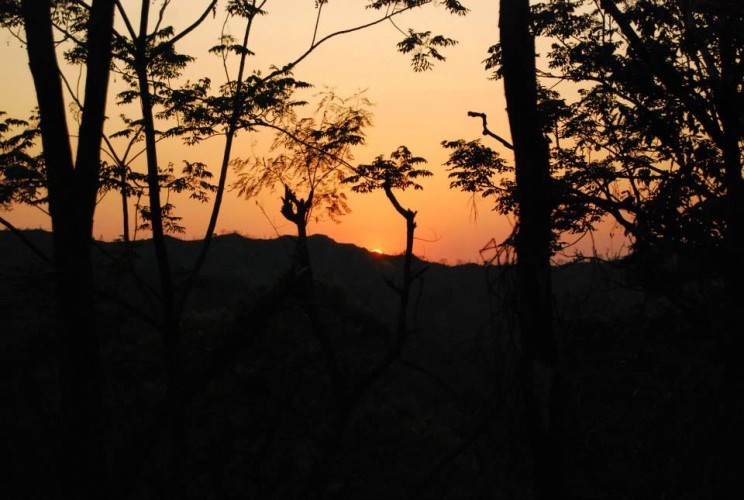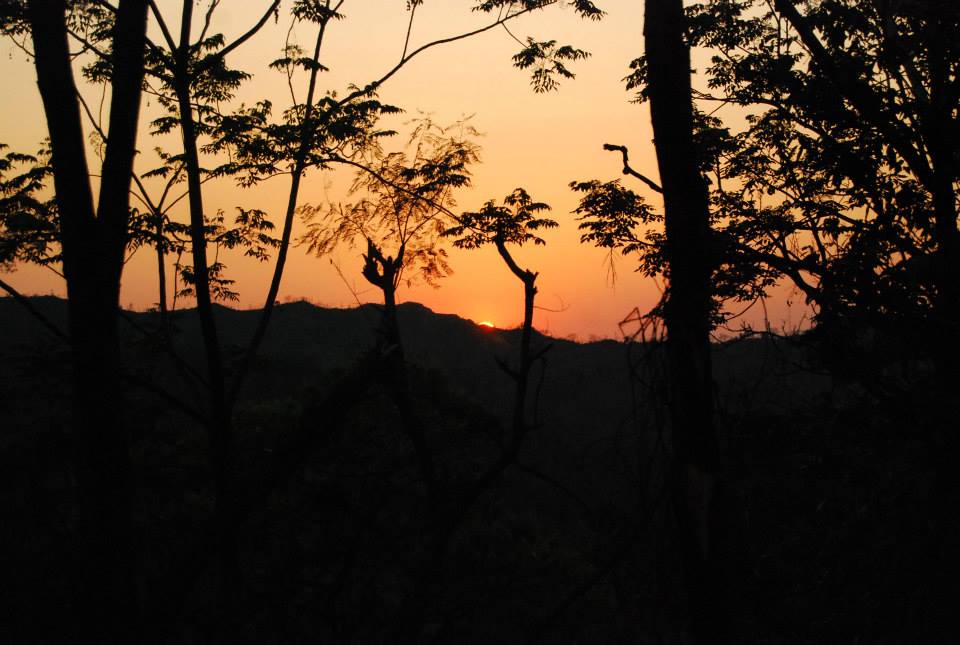

Nestled in the pristine embrace of the Himalayas, Dalhousie is a timeless sanctuary for those seeking a profound sense of solitude and a serene, restorative ambiance. Far from the clamor of modern life, this high-altitude haven offers an ethereal escape where the silence is broken only by the whispering winds and the distant calls of mountain eagles.
Established in 1854 by Lord Dalhousie, the British Viceroy of India, the town was envisioned as the ultimate summer retreat. Its purpose was to provide a cool, misty refuge for British troops and high-ranking bureaucrats escaping the sweltering heat of the plains. Today, the town still carries the sophisticated architectural echoes of that era, retaining a charming, old-world character that honors its namesake.
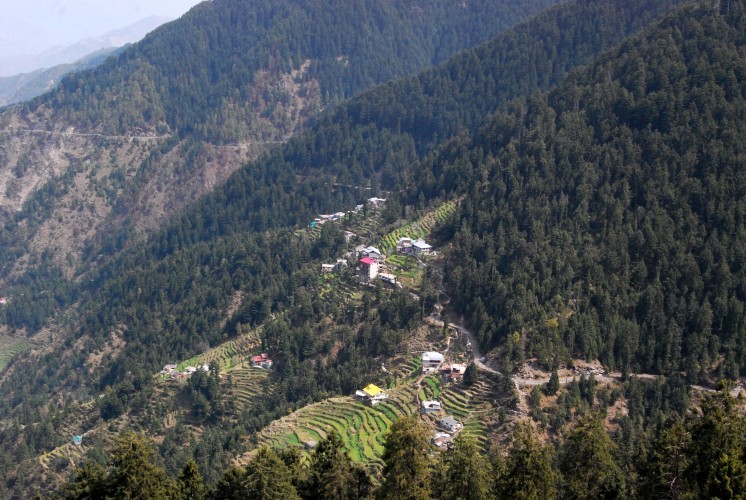
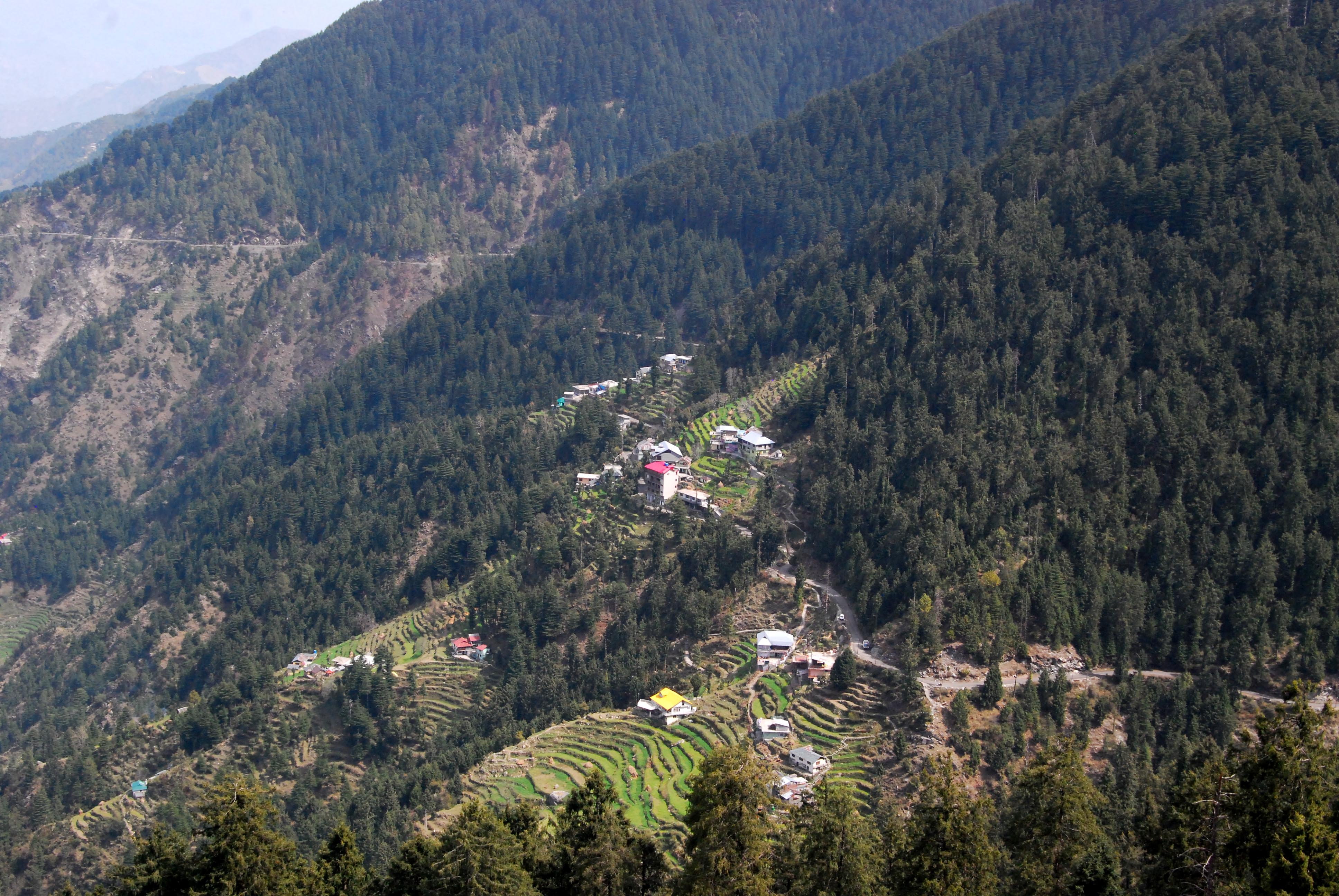
Dalhousie is masterfully perched across five undulating hills—Kathlog, Potreyn, Terah, Bakrota, and Bhangora—which mark the dramatic western edge of the majestic Dhauladhar range. This unique topographical arrangement creates a landscape defined by sweeping elevation changes and panoramic vistas. The encompassing hills are cloaked in a dense, emerald tapestry of ancient Deodar (Cedar) and Ban Oak trees, providing a lush canopy that filters the mountain sunlight into a soft, dappled glow.
The air here is perpetually infused with the scent of towering pines and the vibrant, seasonal blooms of Rhododendrons that splash the hillsides with color. Beneath this soaring timber, a rich and diverse variety of shrubbery creates a thick undergrowth, forming a thriving ecosystem that feels as untouched as it is inviting. This harmonious blend of alpine flora and rugged mountain terrain ensures that every vista in Dalhousie is a masterpiece of natural artistry.
While some have uncharitably labeled the town "Dull and Lousy," Dalhousie possesses a quiet, soulful magnetism that Shimla or Darjeeling often lack. It has traded the frenetic energy of commercial tourism for an enveloped old-world charm, making it an unrivaled sanctuary for those looking to de-stress and reinvigorate. For the intrepid traveler, Dalhousie is not a checklist of sights, but a series of private discoveries waiting to be unearthed.
Far from being stagnant, life in Dalhousie moves to a rhythmic, natural pulse. The town is defined by its iconic three Malls and the enchanting, woody loops that wind down Potreyn Road, Bakrota, and the Moti Tibba Hills. These paths offer fascinating strolls through shadows of ancient timber, proving that the "dull" label is nothing more than a misnomer for "tranquil."
The town's heritage is deeply etched into its landscape, characterized by a collection of architectural relics and profound cultural depth that includes five historic churches and stately British-style country houses which have been meticulously converted into boutique hotels. This storied history is further enriched by a unique cemetery cascading over nine distinct terraces and a series of vibrant frescoes painted by the town’s original Tibetan immigrants, all of which weave together to create a multifaceted and visually stunning historical tapestry.
The social gravity of Dalhousie centers on the GPO (General Post Office), a bustling hub where shops, local eateries, and hotels converge. It serves as the starting point for days spent exploring the winding lanes or embarking on rugged treks into the surrounding wilderness.
By day, the town is a paradise for picnickers and hikers; by night, it transforms into a celestial theater. The air is so crisp and the skies so clear that star-gazing becomes a primary pastime—legend even has it that on the clearest nights, the distant lights of Lahore can be spotted shimmering across the border.
Dalhousie’s cultural landscape is profoundly shaped by its colonial heritage and the resilient spirit of the Tibetan community that arrived in the 1960s. The town’s five historic churches—most notably St. John’s and St. Francis’—serve as stone-clad monuments to mid-19th-century Victorian architecture, standing amidst towering pines like relics of a distant era.
Complementing this European influence is the vibrant Tibetan presence, centered primarily around the Bakrota Hills and the Tibetan Market. The immigrants who settled here brought with them the tradition of rock carving and thangka painting; today, you can find stunning, brightly colored frescoes and Buddhist deities meticulously painted onto rock faces along the roadside. This spiritual infusion is most palpable at the Tibetan Handicraft Centre, where the preservation of intricate carpet weaving and traditional arts offers a soulful contrast to the town's British roots, creating a unique Himalayan subculture where two vastly different worlds coexist in peaceful harmony.
No visit to Dalhousie is complete without venturing toward the rejuvenating waters of Satdhara and Panchpulla, two sites that perfectly capture the region's natural mystique. Satdhara, aptly named for the convergence of seven sparkling alpine streams, has long been revered by locals and travelers alike for its therapeutic properties, as the waters are said to be enriched with mica and other healing minerals. Just a short distance away lies Panchpulla—the "Five Bridges"—a historic spot named after the wooden crossings that once spanned its rushing ravines. Today, it serves as a gateway for outdoor enthusiasts; a gentle, scenic one-kilometer trek from the main area leads you to the thunderous beauty of two magnificent waterfalls, where the mist and mountain air provide a refreshing respite from the trail.
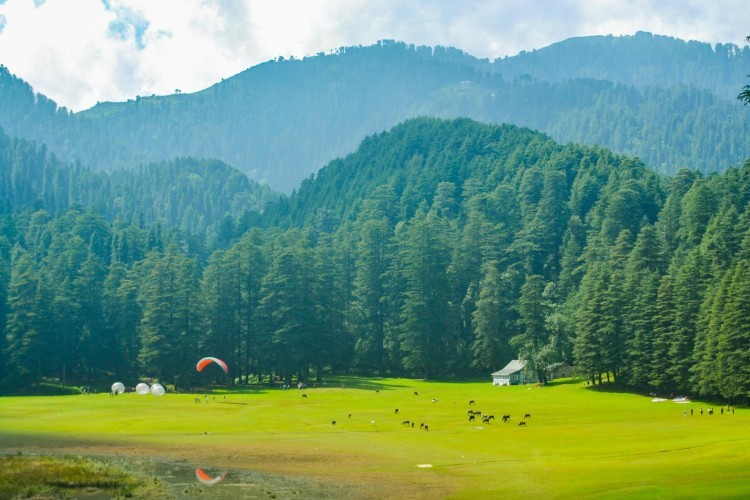
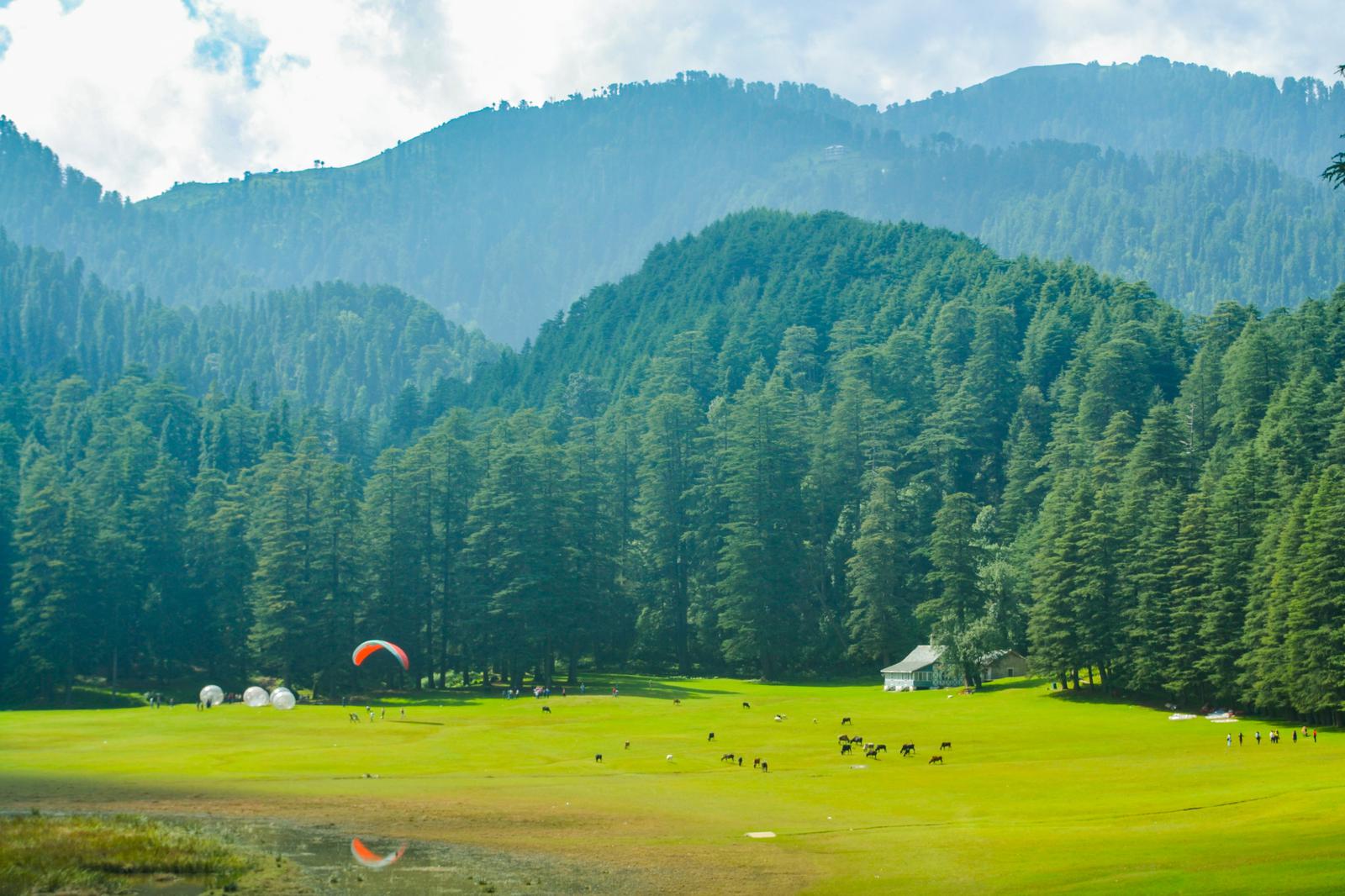
A short drive further reveals Khajjiar, a breathtaking forest glade often described as the "Mini Switzerland of India." Perched at an elevation of 6,430 feet, this emerald expanse was originally curated as a sprawling golf course during the British colonial era. Now, it exists as a lush, expansive meadow that serves as a picnicker’s paradise, centered around a serene lake featuring a unique floating island of tangled weeds. The meadow is guarded by the ancient, wood-carved Khaji Nag Temple, a 12th-century shrine dedicated to the serpent deity from whom the area derives its name. For the more adventurous, Khajjiar is not just a destination but a starting point, offering a rugged two-day trekking route that leads across the mountains to Dharamshala. Whether you are galloping across the grass on horseback or simply soaking in the alpine silence, Khajjiar remains a jewel of the Dhauladhar range.